Table of Contents
Welcome to our comprehensive Nothing Ear 3 wireless earbuds. In this in-depth UK review, we evaluate its standout features, real-world performance, and overall value to help you decide if it is worth buying.
Nothing Ear 3 wireless earbuds – Nothing Ear (2024) Review: The New Standard for British Audiophiles on a Budget?
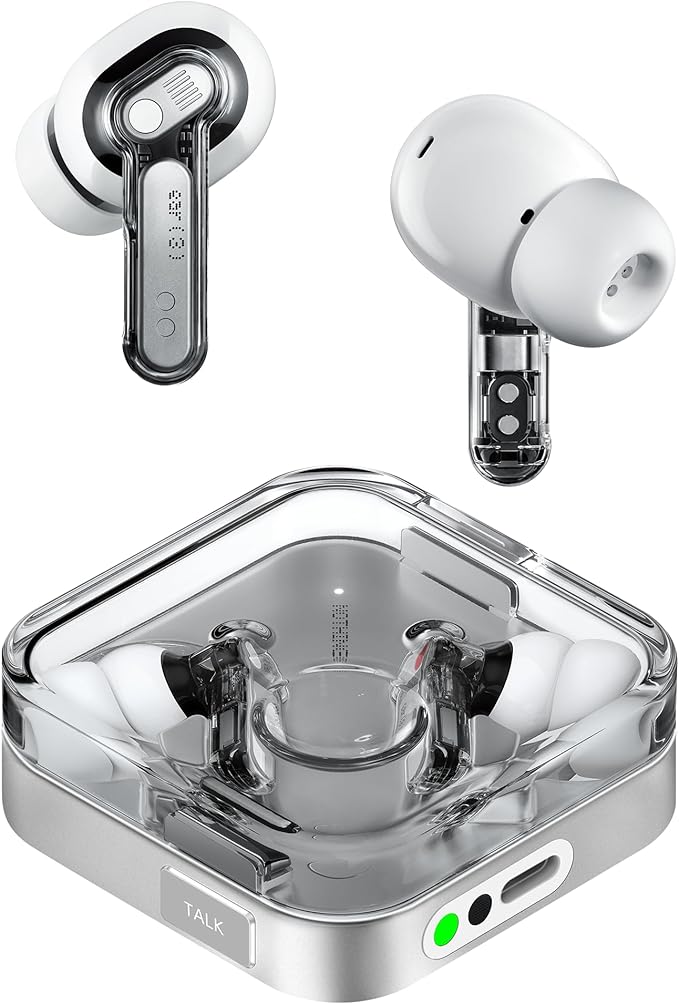
Nothing has quickly become the “cool kid” of the UK tech scene, moving away from the minimalist hype of their debut to delivering genuine, high-performance hardware. The latest flagship, the Nothing Ear (effectively the third generation in all but name), represents a significant leap forward. While the iconic transparent aesthetic remains, the internals have been completely overhauled to compete with the likes of Sony and Apple.
In this review, we’re diving deep into whether these £129 earbuds are simply a fashion statement or the best value-for-money audio experience currently available in the UK.
Design and Build: Refined Transparency
At first glance, you might mistake these for the previous generation. However, look closer and you’ll see the “Nothing” DNA has been polished. The stems are slightly more robust, and the charging case feels more premium in the hand. For the UK commuter, the IP54 rating for the buds and IP55 for the case is a godsend—it means they’ll survive a sudden London downpour or a sweaty session at the gym without skipping a beat.
The fit remains one of the most comfortable in the “in-ear” category. At just 4.6g per bud, they disappear during long train journeys. Nothing includes three sizes of silicone tips; getting the right seal is crucial here to maximise the effectiveness of the new driver setup.
Audio Performance: The Ceramic Revolution
The headline feature of the Nothing Ear is the move to a 11mm ceramic driver. In the world of audio engineering, ceramic is prized for its stiffness and responsiveness. This isn’t just marketing fluff—the difference in “transient response” (how quickly the driver starts and stops) is audible.
- The Low End: The bass is punchier and tighter than the Ear (2). It doesn’t bleed into the mids, making it excellent for UK Grime or Electronic tracks.
- The Highs: This is where the ceramic shines. Cymbals and vocals have a crispness that usually costs £200+.
- Hi-Res Support: With LDAC and LHDC 5.0 support
As an Amazon Associate I earn from qualifying purchases.